
Estimated reading time: 5 minutes
Fresh-milled flour sounds like something fancy, or like one more thing you need special equipment for.
I used to think the same.
But once I started milling my own flour at home, I realized it’s actually one of the simplest changes you can make if you care about better bread, better flavor, and more nourishing food. Even if you already bake sourdough.
Jump to:
- What Is Fresh-Milled Flour?
- How Fresh-Milled Flour Is Different From Store-Bought Flour
- Summarize & Save This Content On:
- Why Fresh-Milled Flour Makes Better Bread
- Does Fresh-Milled Flour Improve Sourdough Fermentation?
- Is Fresh-Milled Flour Healthier Than Regular Flour
- Do You Have to Bake 100 Percent Whole Wheat With Fresh-Milled Flour?
- Is Fresh-Milled Flour Harder to Bake With?
- Do You Need a Grain Mill to Make Fresh-Milled Flour?
- Is Fresh-Milled Flour Worth It for Home Bakers
What Is Fresh-Milled Flour?
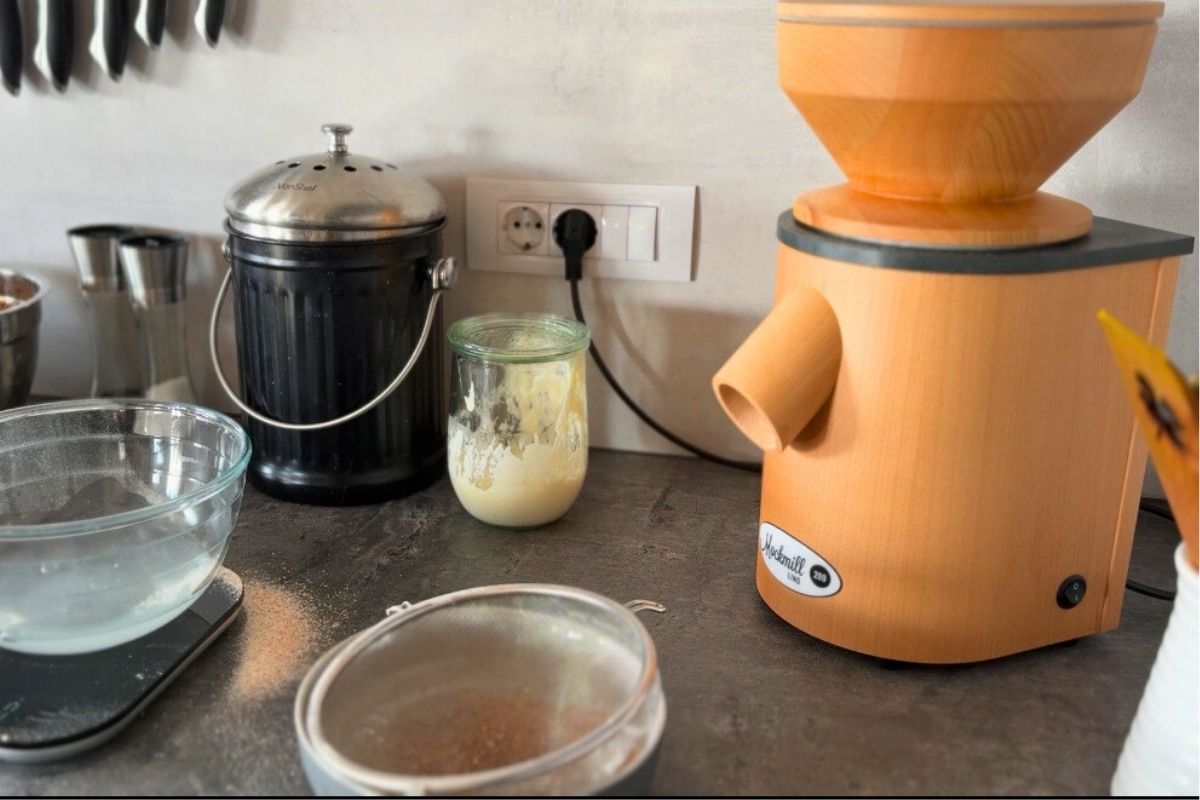
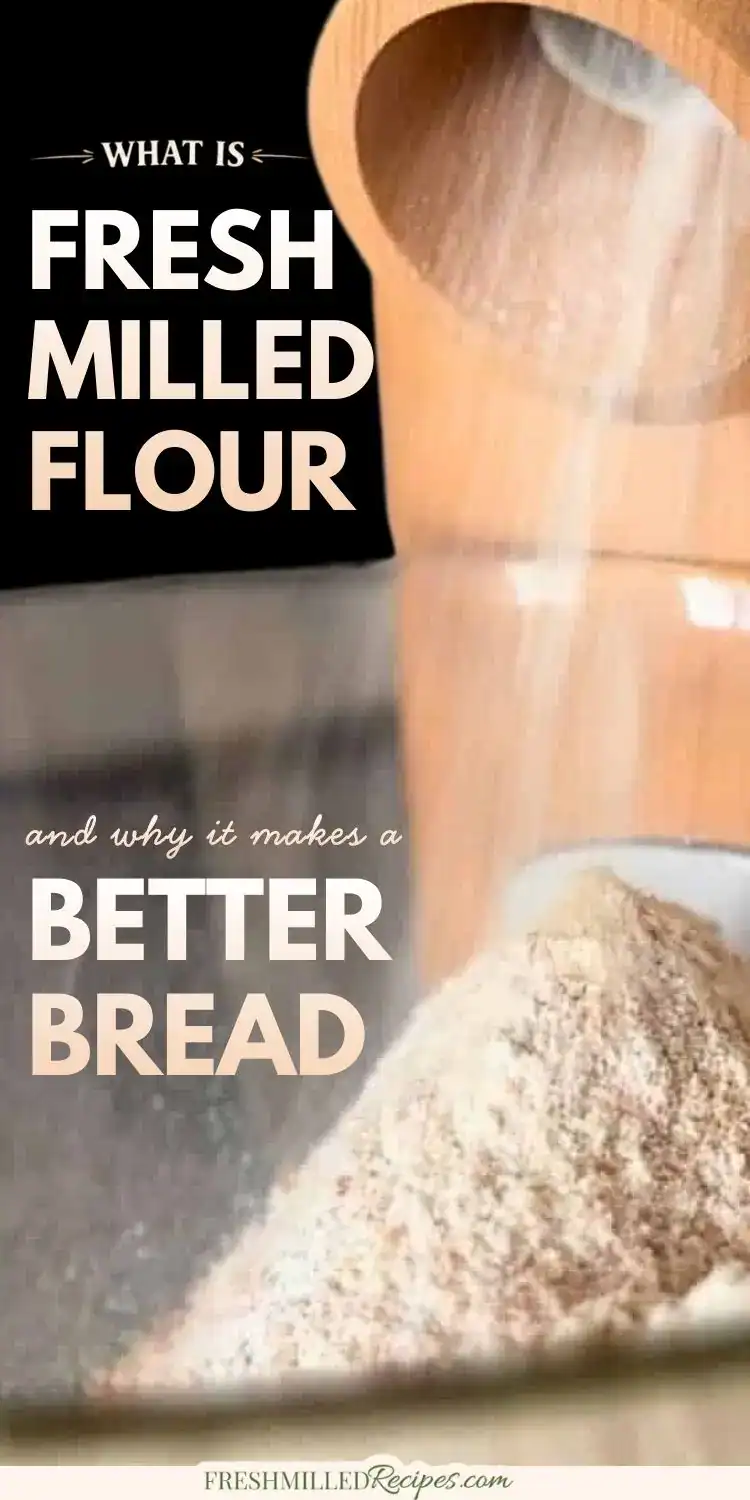
Fresh-milled flour is flour made by grinding whole grains, usually wheat berries, right before you bake.
That’s it.
You start with the intact grain, which includes the bran, the germ, and the endosperm. When you mill it at home, all three parts stay together in the flour.
Nothing is removed, nothing is added, and because it’s used fresh, it hasn’t had time to oxidize or go stale.
How Fresh-Milled Flour Is Different From Store-Bought Flour
Most store-bought flour, even whole wheat flour, is milled weeks or months before you use it.
During commercial milling, the bran and germ are often removed to make flour more shelf-stable. Those parts contain natural oils, which can go rancid over time. Removing them makes flour last longer, but it also removes a lot of flavor and nutrition.
Fresh-milled flour keeps everything intact and uses it before time and air can degrade it. That’s why it smells sweet and nutty, and why it behaves differently in dough. It's also why you need to autolyse it (longer).
Summarize & Save This Content On:
Why Fresh-Milled Flour Makes Better Bread
This is the part people care about most, so let's get to it!
Better flavor
Bread made with fresh-milled flour tastes like wheat. Not bitter, not flat, but just ... better. Even simple loaves have more depth and character.
Stronger fermentation
Fresh-milled flour contains more minerals and nutrients, which sourdough cultures thrive on. Many bakers notice more active dough and more reliable fermentation once they start using it.
More satisfying texture
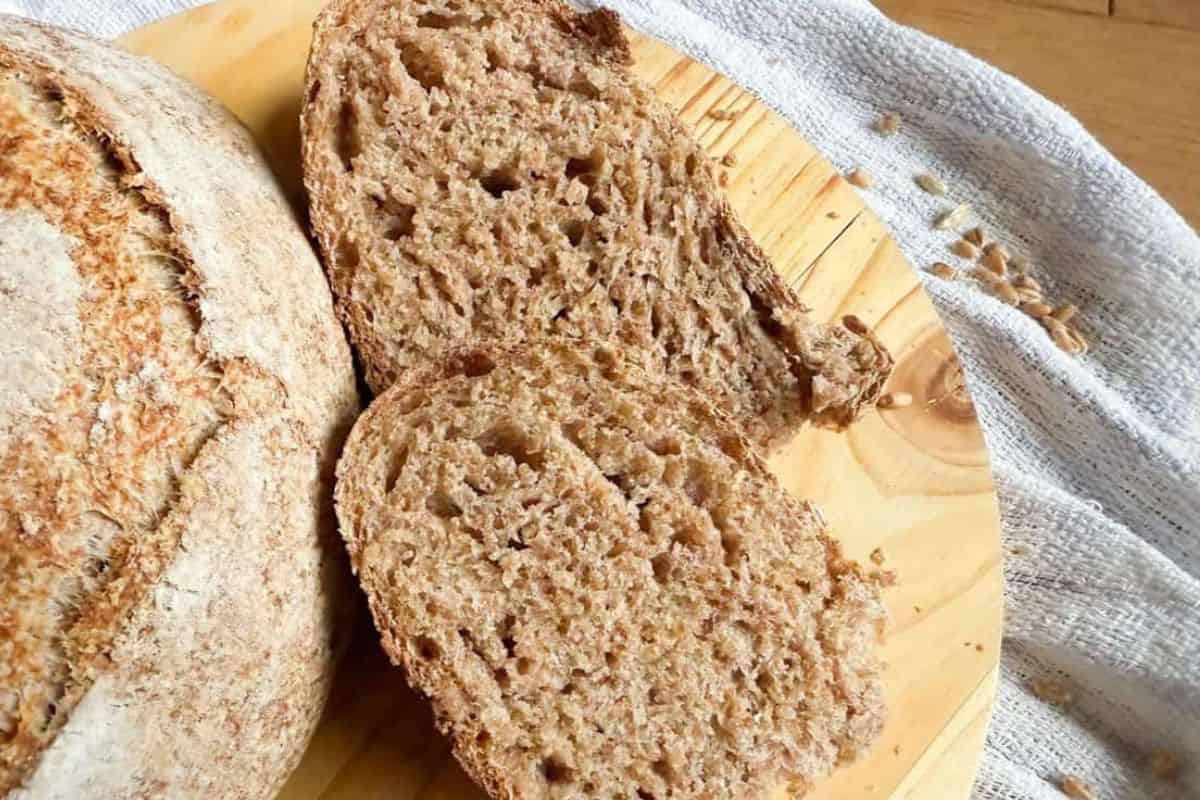
The bran and germ affect how dough absorbs water and develops structure. Once you adjust hydration and give the dough time to rest, the crumb becomes soft, tender, and filling in a way that’s hard to replicate with white flour alone.
Does Fresh-Milled Flour Improve Sourdough Fermentation?
Often, yes.
Sourdough starters feed on more than just starch. The minerals and enzymes in fresh-milled flour give wild yeast and bacteria a richer environment to work in.
That doesn’t mean every loaf will ferment faster or rise higher. But many bakers notice steadier fermentation and a more resilient dough, especially over long ferments.
Is Fresh-Milled Flour Healthier Than Regular Flour
I'm not a nutritionist, BUT you shouldn't have problems finding the info about the superiority of freshly milled flour.
The gist of it is that fresh-milled flour uses the whole grain. That means fiber, minerals, and naturally occurring nutrients are still present, instead of being stripped out during processing.
So it is closer to the original grain, and for many people (myself included), that matters.
Do You Have to Bake 100 Percent Whole Wheat With Fresh-Milled Flour?
No. And I think this is one of the biggest misconceptions.
You can use fresh-milled flour at any percentage:
- a small portion mixed into white flour
- half fresh-milled, half all-purpose
- or fully whole grain
I rarely bake 100 percent fresh-milled loaves for everyday bread. Mixing flours gives me flexibility, lighter texture, and bread my family actually wants to eat.
Is Fresh-Milled Flour Harder to Bake With?
There is a learning curve, but it’s manageable, and just different than baking with all purpose.
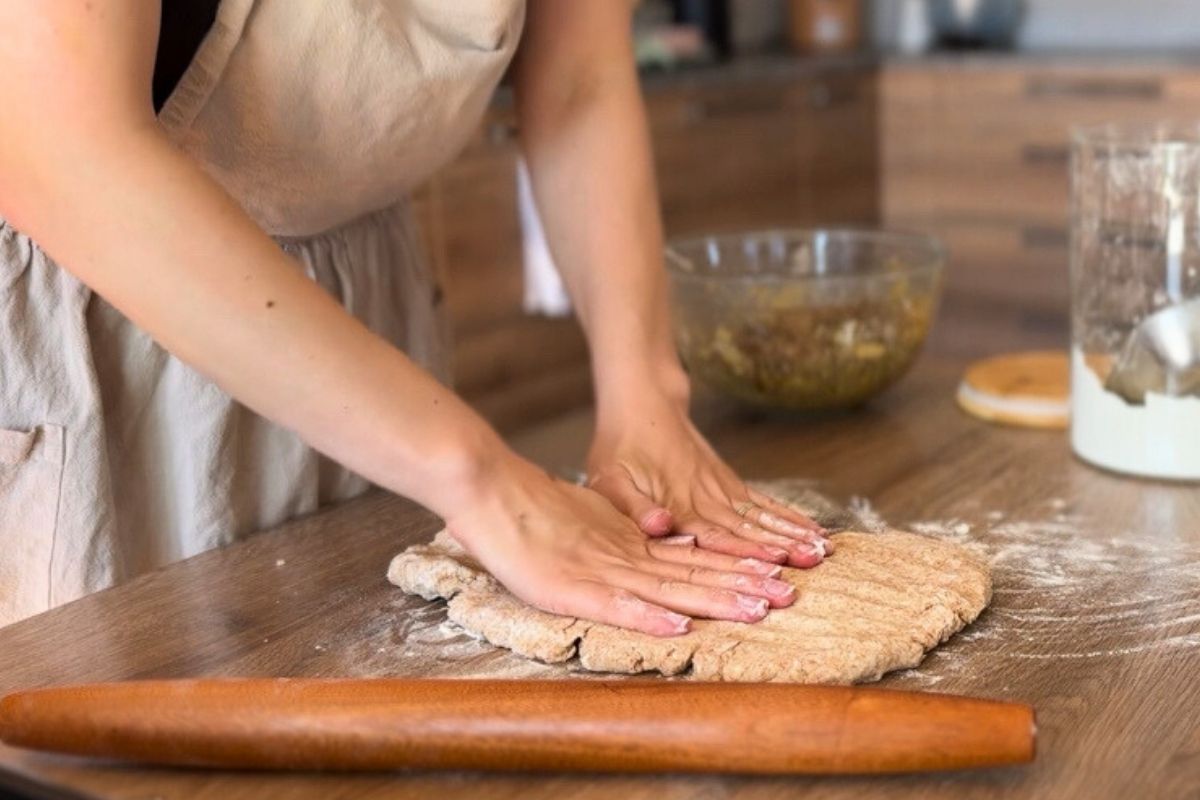
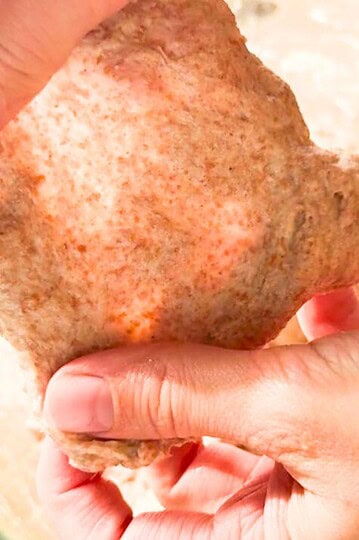
Fresh-milled flour absorbs more water, benefits from longer rest times, and can feel stickier early on. In my experience, it also tends to ferment faster.
Most issues disappear once you slow down hydration and keep a closer eye on fermentation.
Do You Need a Grain Mill to Make Fresh-Milled Flour?
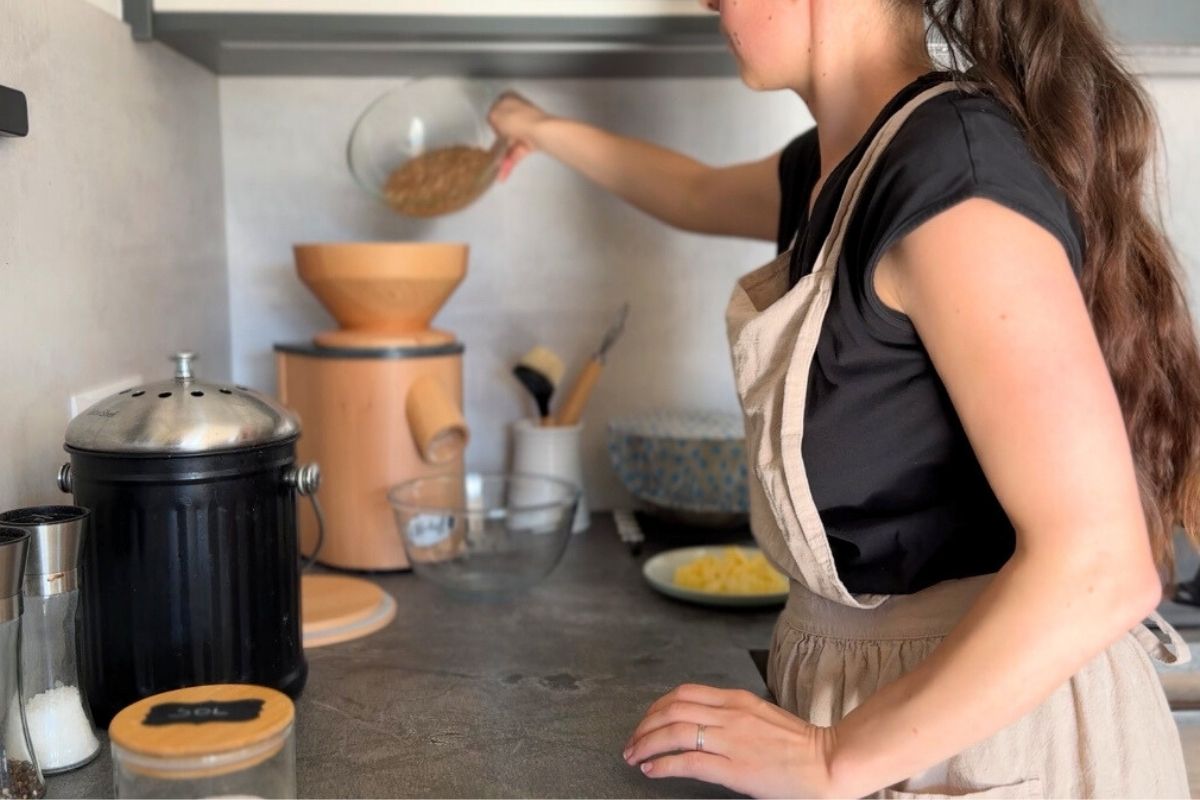
Yes, you need a grain mill to mill grain at home.
If you already bake bread regularly, especially sourdough, a mill tends to earn its place quickly.
Is Fresh-Milled Flour Worth It for Home Bakers
For me, and for many many others, yes!
Not because it’s becoming trendy or looks good, but because it makes better bread with very little extra effort once you understand it.
You don’t have to switch overnight, and don’t have to do it perfectly. Start small, don't be afraid to experiment, and let your baking adjust naturally.
That’s how fresh-milled flour becomes sustainable, instead of just another thing to keep up with.
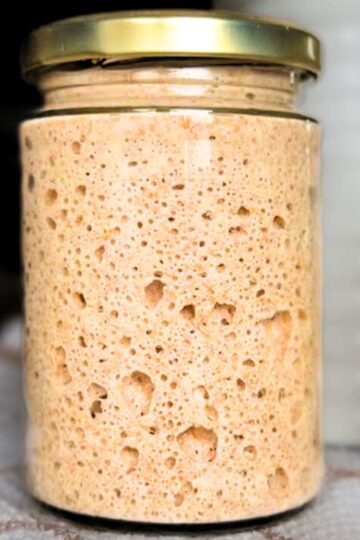
If you're a sourdough baker, you might want to consider making a fresh milled sourdough starter!
Leave a Reply